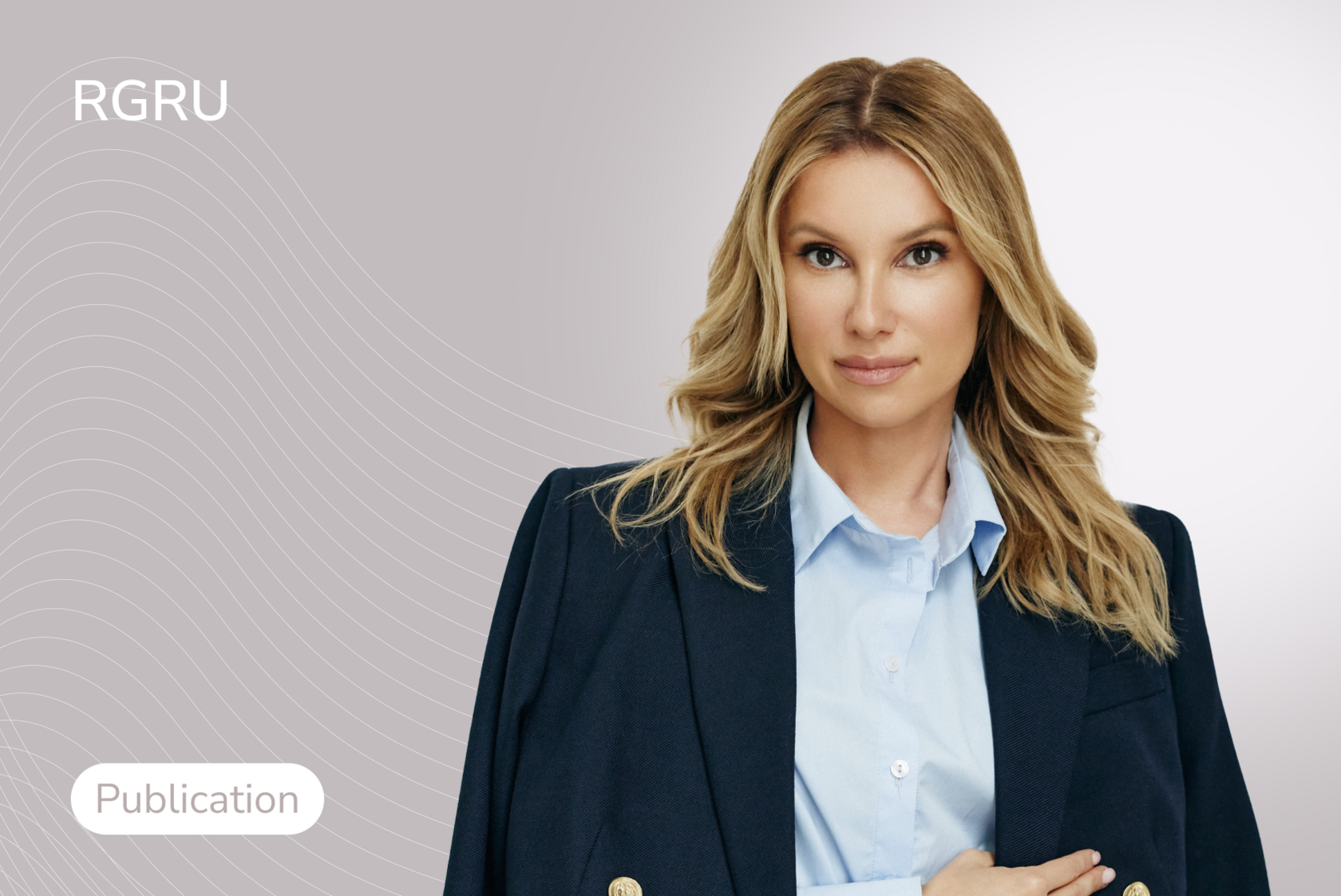
There is currently something of an arms race in IT: candidates use AI to help them during interviews, while employers try to detect it. Ksenia Sheremetyeva, COO at Selecty explained how AI has undermined trust in hiring.
«Hiring has changed a lot over the last year. Assessments have become more complex across all areas of tech. Previously, many companies had two or three interview stages: first with HR, then a technical interview, and then a meeting with the team, often to assess soft skills. Now, especially in large tech companies, some employers have four to eight interview rounds».
Employers now spend more time and effort checking candidates, reviewing large numbers of applications, and identifying fake profiles.
There are tools that analyse behaviour and written responses to detect AI-generated patterns. We are testing these, and some are proving effective.
Ksenia Sheremetyeva, COO at Selecty:
There are tools that analyse behaviour and written responses to detect AI-generated patterns. We are testing these, and some are proving effective.
Ksenia Sheremetyeva, COO at Selecty:
«Employers want to filter out irrelevant candidates and fraudulent profiles. Many are now using AI-driven screening tools so that only the strongest IT candidates reach the technical interview stage. We hope this will eventually lead to fewer interview stages, once assessment becomes more accurate».
Hiring the wrong person can be very expensive. International estimates suggest that it can cost a company six to nine times the employee’s salary, once recruitment, onboarding, lost productivity, and re-hiring are taken into account.
Most employers see the use of AI to get through technical interviews as cheating rather than demonstrating skill.
Ksenia Sheremetyeva, COO at Selecty:
Most employers see the use of AI to get through technical interviews as cheating rather than demonstrating skill.
Ksenia Sheremetyeva, COO at Selecty:
«I think this is temporary. The market is adapting through better assessment tools. It is unlikely that we will return to the old model where employers tried to hire anyone they could. Companies are now much more careful about costs and hiring efficiency».
If the labour market picks up and companies increase their investments, there will be more vacancies and higher demand for specialists, but hiring is likely to remain more selective.
From an employer’s perspective, the key task is to build strong assessment and verification tools, robust processes, and automation — including AI. The whole market is moving towards systems that confirm skills, provide ratings, or offer some form of certification.
Ksenia Sheremetyeva, COO at Selecty:
From an employer’s perspective, the key task is to build strong assessment and verification tools, robust processes, and automation — including AI. The whole market is moving towards systems that confirm skills, provide ratings, or offer some form of certification.
Ksenia Sheremetyeva, COO at Selecty:
«Essentially, this means more standardisation and more reliable quality signals that employers can trust. This is also good for honest candidates. Reducing fake profiles benefits everyone with real skills».
For job seekers, one of the most practical tools is the use of referral programmes. At Selecty, around 20% of vacancies are filled this way. When a strong employee recommends someone, that person is trusted more from the outset. Professional connections therefore help maintain trust and mitigate the impact of fake profiles.