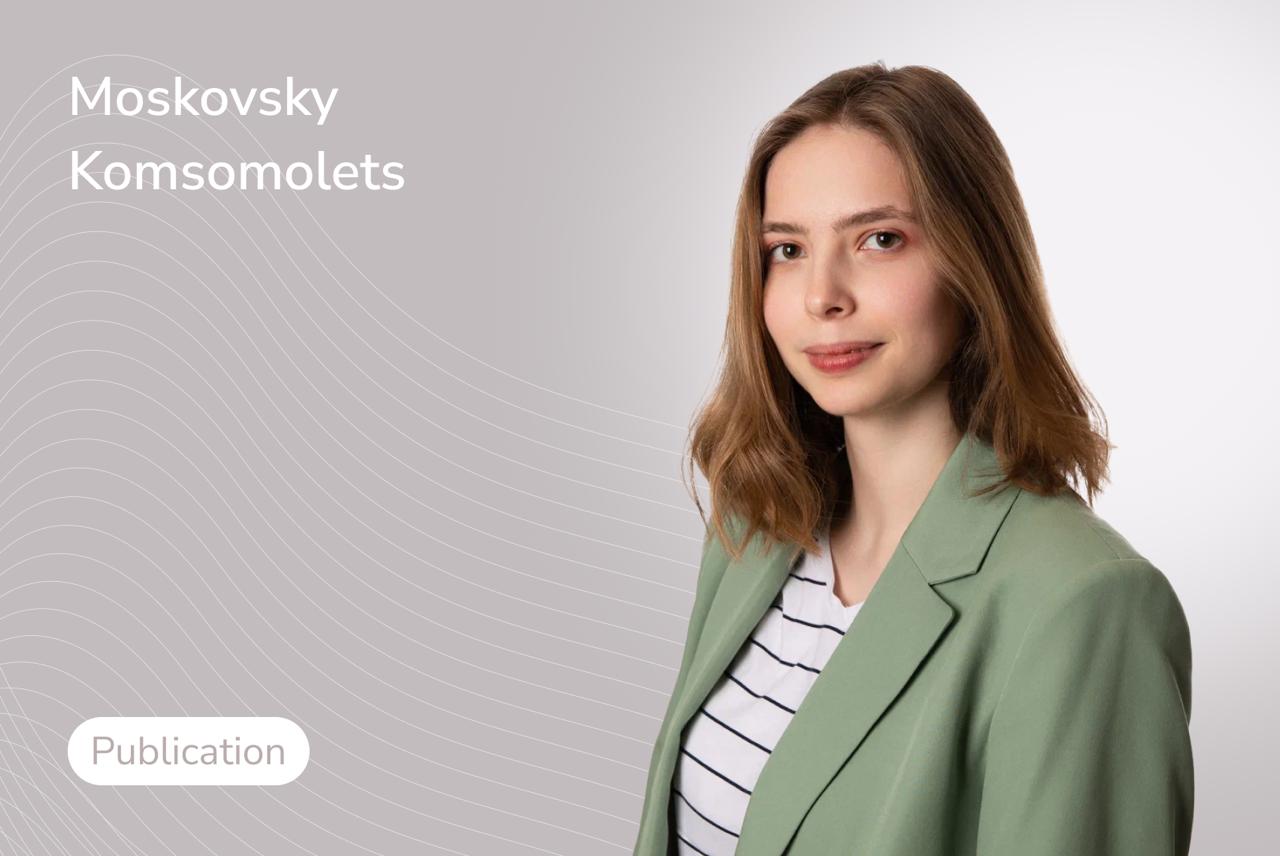
When it comes to communication, young professionals favor fast, convenient formats. Platforms like Snapchat, Telegram, and Discord are far more popular than email or phone calls, notes Sofya Maksimenko, Selecty Marketing Specialist. Asynchronous communication — the ability to reply when it’s convenient — is especially valued. Voice notes and video messages are acceptable, but the golden rule is: minimal bureaucracy and flexible formats.
Representing her generation, Sofya shares her experience working with colleagues under 25:
Representing her generation, Sofya shares her experience working with colleagues under 25:
«A simple “good job” doesn’t mean much to them, and vague criticism is demotivating. They value exact details – what was done well or poorly, why it matters, and what can be learned from it».
When assigning tasks, she emphasizes, it’s important to remember that Gen Z isn’t driven by abstract KPIs. They’re motivated by tangible results and seeing how their work connects to something meaningful. They want to understand how their contribution impacts the company, the project, and even society as a whole.
«Onboarding for younger employees should be more hands-on. Formal training is less effective than mentorship programs, newcomer chats, or gamified learning, which resonate much more with younger employees. Easy access to information is essential so they can navigate processes independently. Just as important is fostering a safe, open environment where asking questions is encouraged».
Corporate culture strategies should also take generational preferences into account. Traditional sit-down dinners aren’t their style, Sofya notes. They thrive on interactions, emotions, and opportunities for self-expression. Popular formats include interactive activities such as quests, gamification events, outdoor trips, and creative workshops.
«Onboarding for younger employees should be more hands-on. Formal training is less effective than mentorship programs, newcomer chats, or gamified learning, which resonate much more with younger employees. Easy access to information is essential so they can navigate processes independently. Just as important is fostering a safe, open environment where asking questions is encouraged».
Corporate culture strategies should also take generational preferences into account. Traditional sit-down dinners aren’t their style, Sofya notes. They thrive on interactions, emotions, and opportunities for self-expression. Popular formats include interactive activities such as quests, gamification events, outdoor trips, and creative workshops.